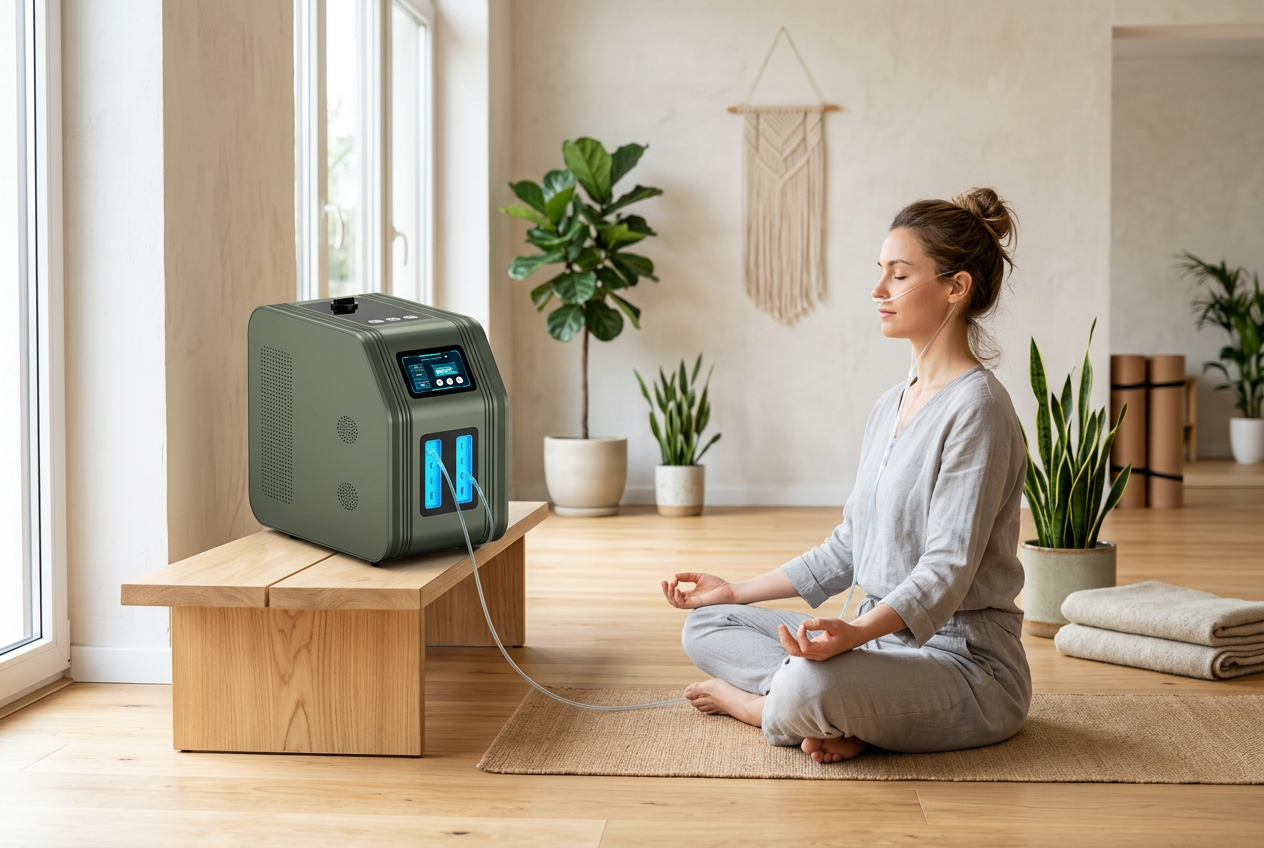
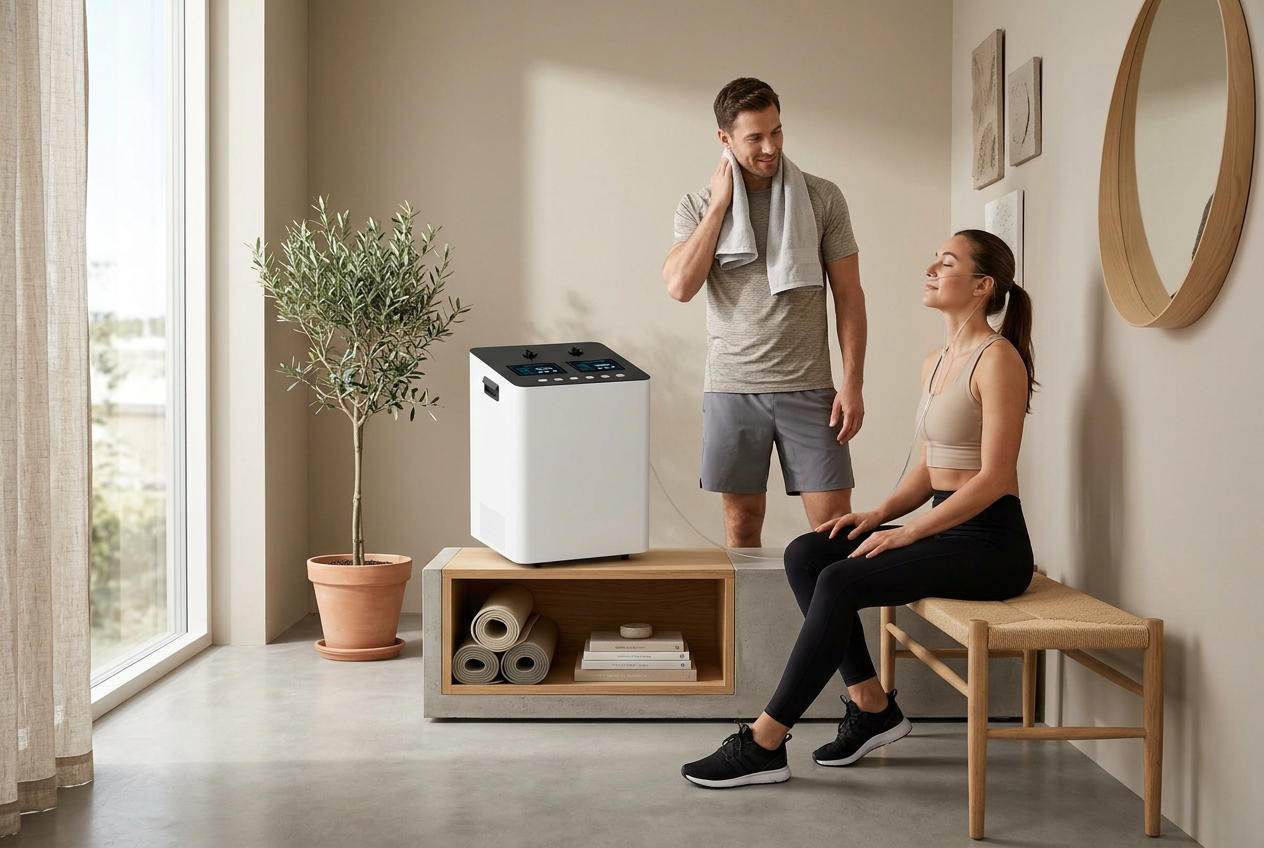
Best for clinical environments & high-output protocols
- Clinical environments and multi-user performance recovery facilities
- Twice the pure-H₂ output of the QY-A series — 4,000 ml/min
- 7-stage steam and water separation — consistently dry gas across back-to-back sessions
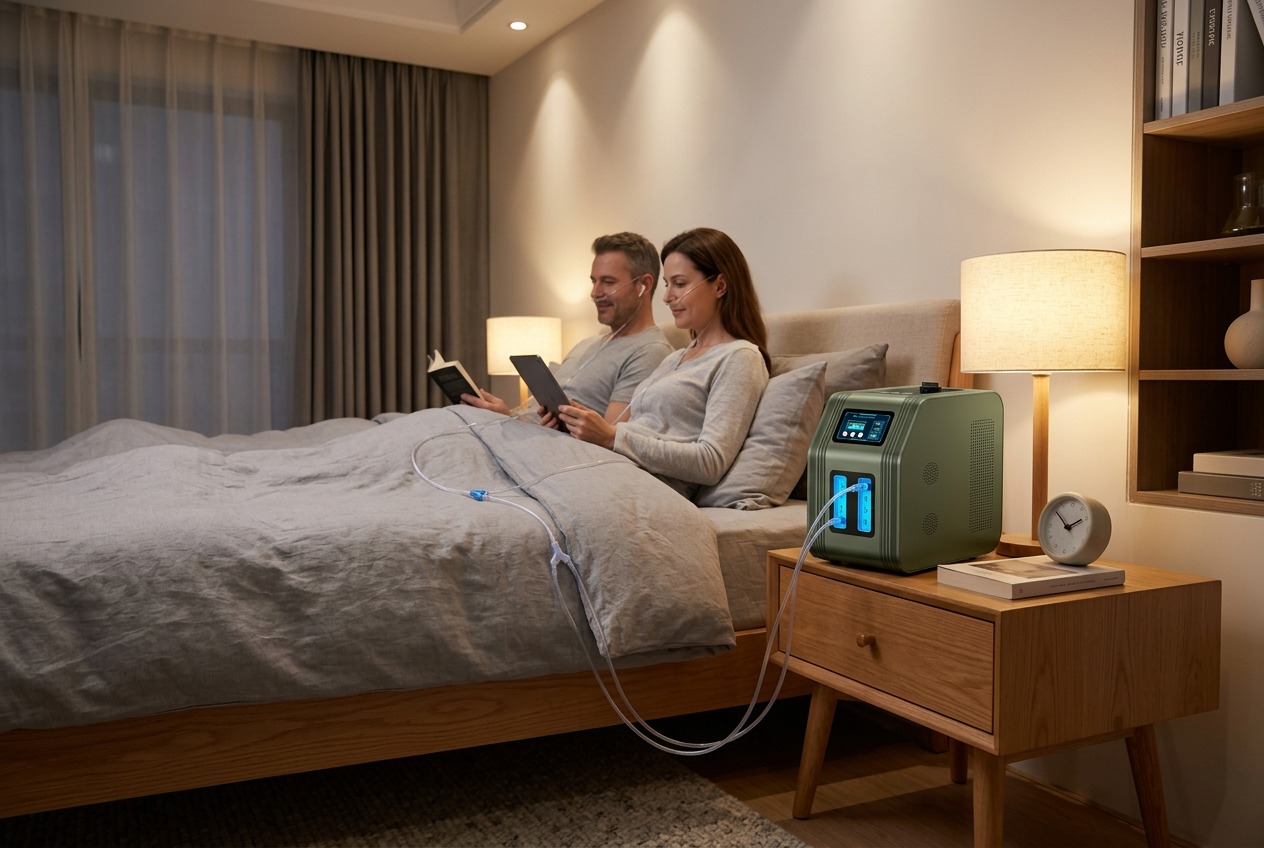
- Three simultaneous users from independent outlets
- Choice of German PEM (default) or DuPont Nafion N115 (USA) membrane
Built to industrial-grade engineering standards. Not a consumer electronics product.
The PEM electrolysis stack at the heart of every machine we sell is rated to up to 10,000 hours of continuous operation — the same engineering tier used in industrial hydrogen equipment. That's not marketing. It's what the cell is built and tested to do.
13.6 years of daily 2-hour sessions before the cell hits its rated end-of-life.
Built in facilities certified to ISO 13485, the quality-management standard used by regulated manufacturers. The certification covers how the factory is run — it is not a medical-device registration of our products.
Electrical, EMC and restricted-substances compliance — published, not implied.
What the average wellness gadget is engineered to last. The gap is the point.
The maths: a 10,000-hour cell run 2 hours a day = 13.6 years. Run 1 hour a day = 27 years. The cost per session sits in the cents, not the dollars — and the chassis is built around a stack that outlives most home appliances. That's the difference between an industrial-grade machine and a cheaper unit that carries no published certification marks.
Hydrogen Machines products are general wellness devices. They are not medical devices and are not registered, approved or cleared as such by the TGA, FDA or any other regulator. References to industrial-grade engineering, ISO 13485 manufacturing and 10,000-hour stack life describe how the hardware is built — they are not medical, therapeutic or disease-treatment claims.





7-stage steam and water separation.
The QY-A series uses a single cannula water trap. The QY-F6000 removes moisture at seven progressive stages upstream of the cannula — delivering consistently dry hydrogen gas across the full session duration, including back-to-back clinical protocols.
Dry hydrogen delivery matters more in clinical settings, where the machine is running protocol after protocol without a long cool-down between users. The 7-stage separation is the architectural difference between this machine and the rest of the range.
QY-F6000 vs QY-A3000 vs Vital Reaction 3000mL
| Spec | QY-F6000 H6 Pro™ | QY-A3000 | Vital Reaction 3000mL |
|---|---|---|---|
| Pure H₂ output | 4,000 ml/min | 2,000 ml/min | ~2,000 ml/min |
| Total output | 6,000 ml/min | 3,000 ml/min | 3,000 ml/min |
| Steam separation | 7-stage | Single stage | Not published |
| Simultaneous users | 3 | 3 | Not published |
| Stack life | 10,000+ hrs | 10,000 hrs | Not published |
| Certifications | CE · FCC · RoHS · ISO 9001 · ISO 13485 | CE · FCC · RoHS · ISO 9001 · ISO 13485 | Not published |
| Membrane choice | German PEM or DuPont N115 | Standard PEM | Not published |
| Price USD | $10,500 | $5,697 | $5,877 (sale) |
Vital Reaction specifications sourced from vital-reaction.com at time of publication. Verify current specifications before purchasing.
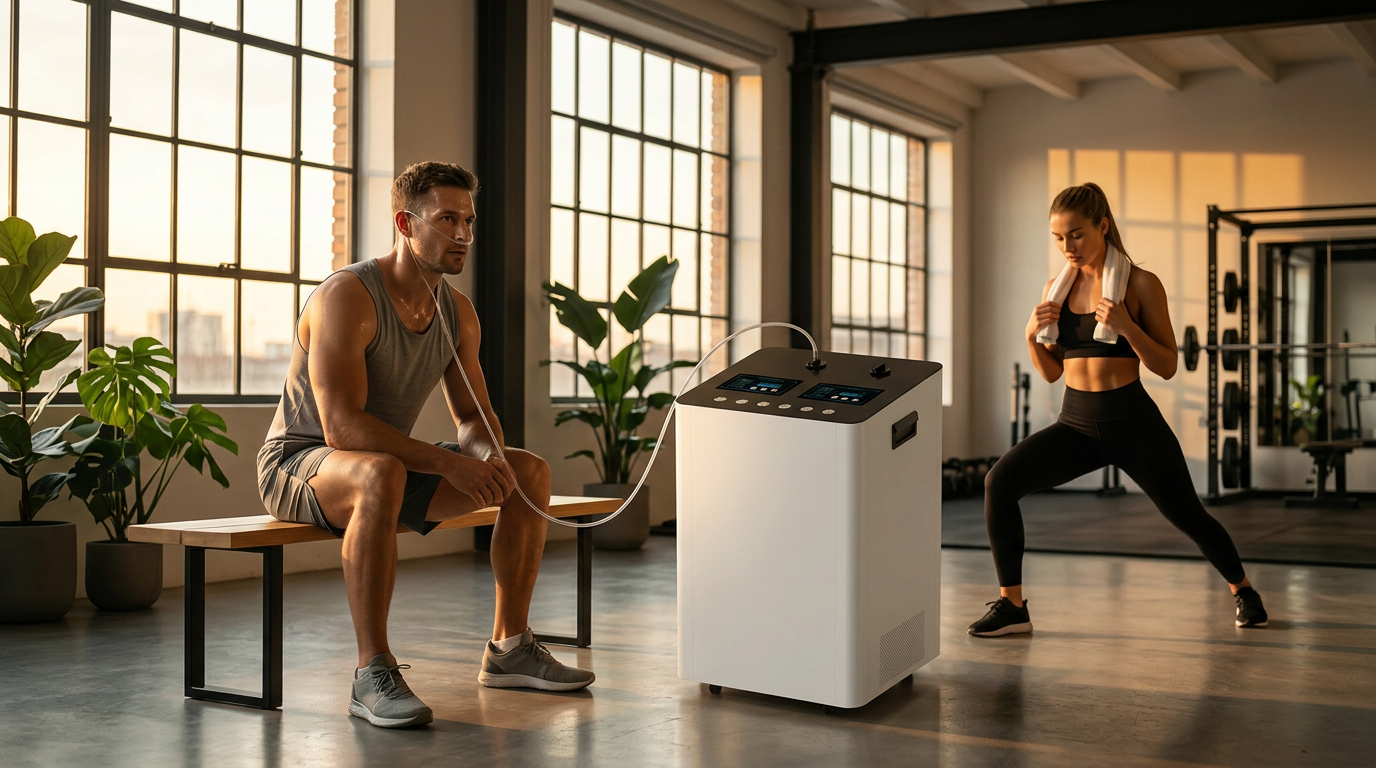
Built for the demands of elite training
4,000 ml/min of pure H₂ supports back-to-back recovery sessions for two athletes at once — fast turnaround between training blocks, competition days, and rehabilitation work. Hardware engineered for clinical-tier duty cycles; not a medical or therapeutic claim.
4,000 ml/min pure H₂. 7-stage separation. Three simultaneous users.
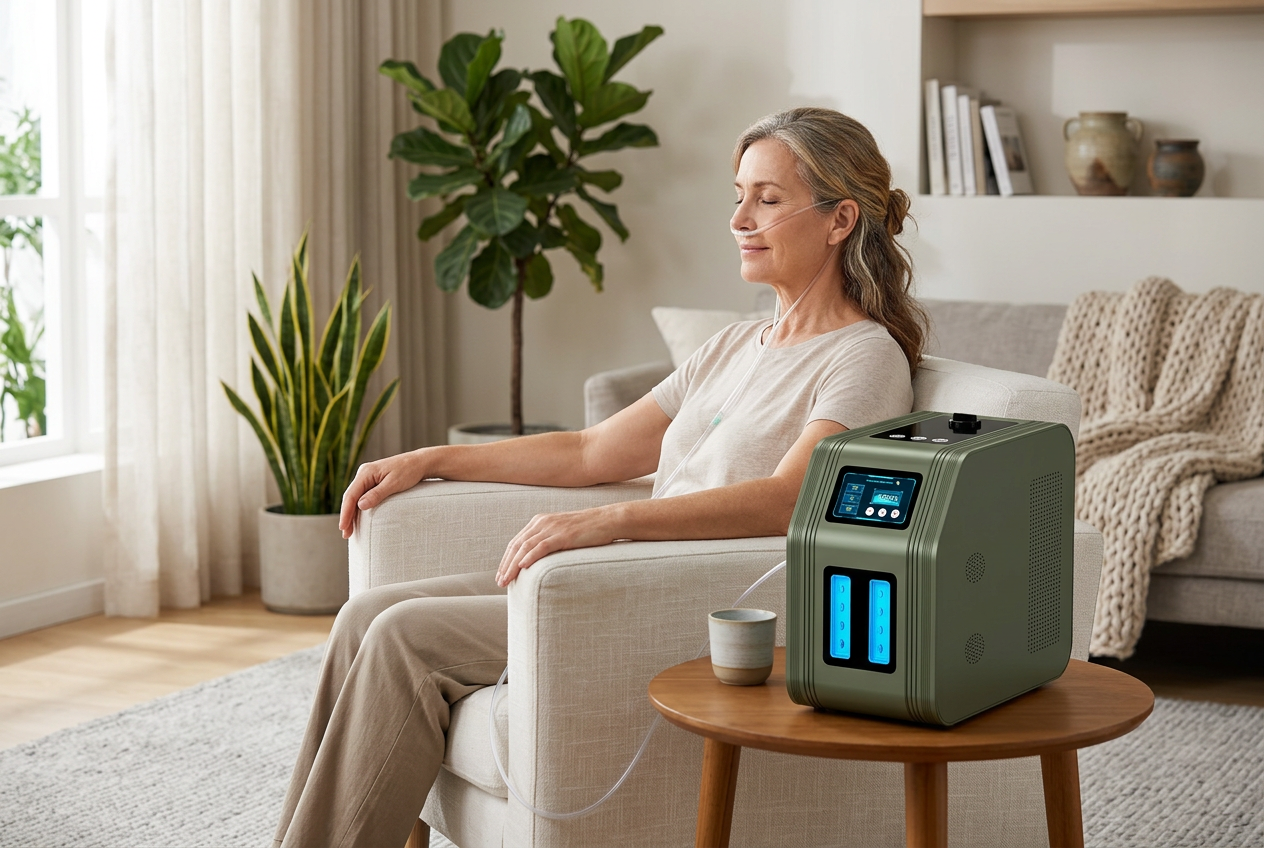
The QY-F6000 H6 Pro™ is the clinical tier of the range — built for environments where the machine runs back-to-back protocols all day. A 7-stage steam and water separation system removes moisture progressively upstream of the cannula so the hydrogen delivered to the user stays consistently dry across the full session, even at high output. Three independent outlets support simultaneous multi-user sessions, and the PEM/SPE stack is offered in two membrane configurations: German PEM as standard, or DuPont Nafion N115 (USA-manufactured) on request. Continuous-duty rated, dual-voltage worldwide power, built-in UV sterilisation, and the same 10,000-hour rated stack life as the rest of the range.
Looks and strength in one
Precision control for comfortable daily use.
Twice the pure-hydrogen output of the QY-A3000 — built for back-to-back clinical protocols.
Choose the standard German PEM membrane or specify the USA-manufactured DuPont Nafion N115. No other inhaler at this output level publishes membrane provenance.
Moisture is removed at seven progressive stages upstream of the cannula — consistently dry hydrogen across full sessions.
Three users from one machine — independent flow per outlet.
Internal UV lamp keeps the water loop clean across continuous-duty operation.
Only H₂ and O₂ in the output stream — no ozone, no carbon monoxide.
Worldwide power. Same hardware for AU, US, EU and UK clinics.
Engineered to run all day in a clinic, not just 30-minute home sessions.
Flow, timer and session monitoring on an integrated panel.
Multiple use cases
Two gases. Three ways to use them.
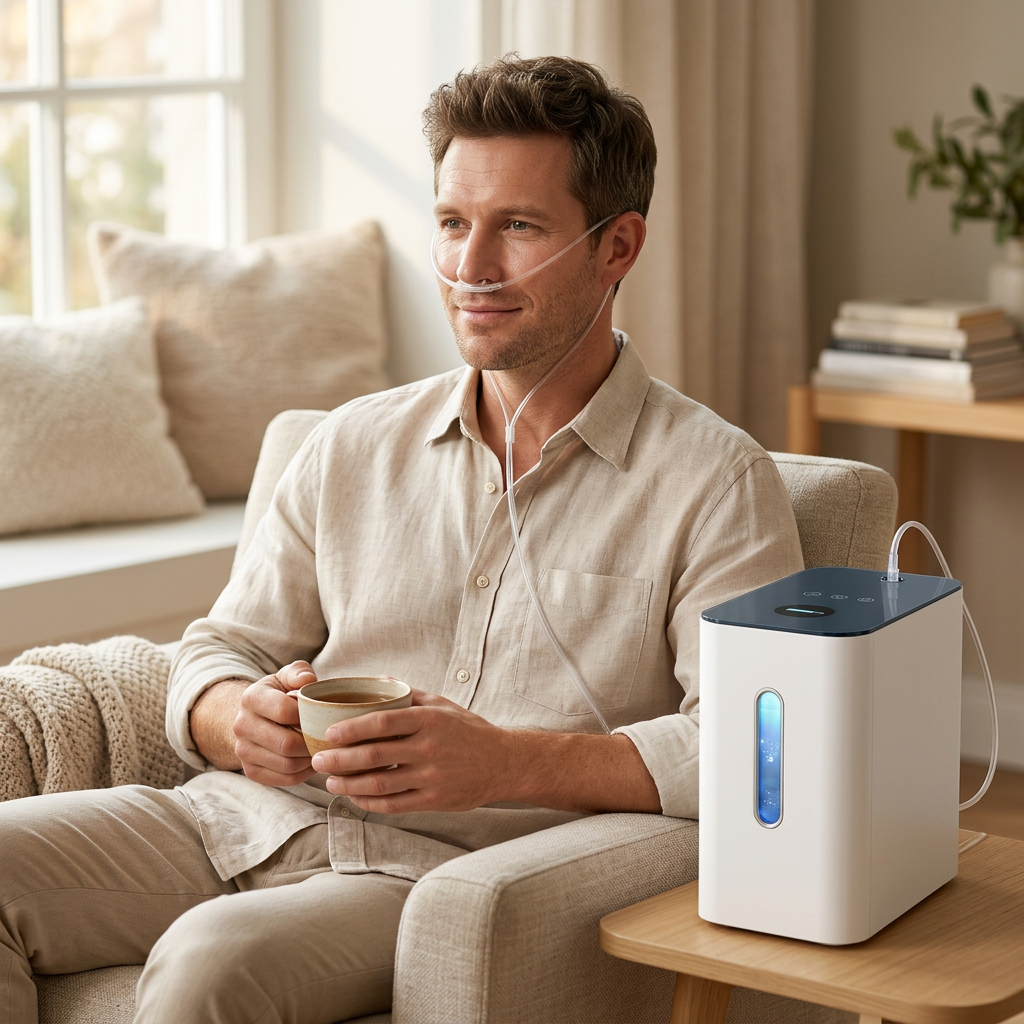
Electrolysis splits water into hydrogen and oxygen at the natural 2:1 ratio (2H₂O → 2H₂ + O₂). The PEM membrane keeps the two streams separated — you decide whether to breathe pure hydrogen, the combined hydrogen–oxygen flow, or split the machine between two users.
Connect the cannula to the H₂ outlet. You breathe 4,000 ml/min pure h₂. The oxygen stream vents separately.
Hardware: single nasal cannula (included).
Join both outlets with the Y connector and breathe the full combined hydrogen–oxygen flow at the natural 2:1 water-electrolysis ratio.
Hardware: Y connector (included with this model).
Run two people from one machine using the dual cannula accessory — each user takes a share of the flow.
Hardware: dual nasal cannula (sold separately).
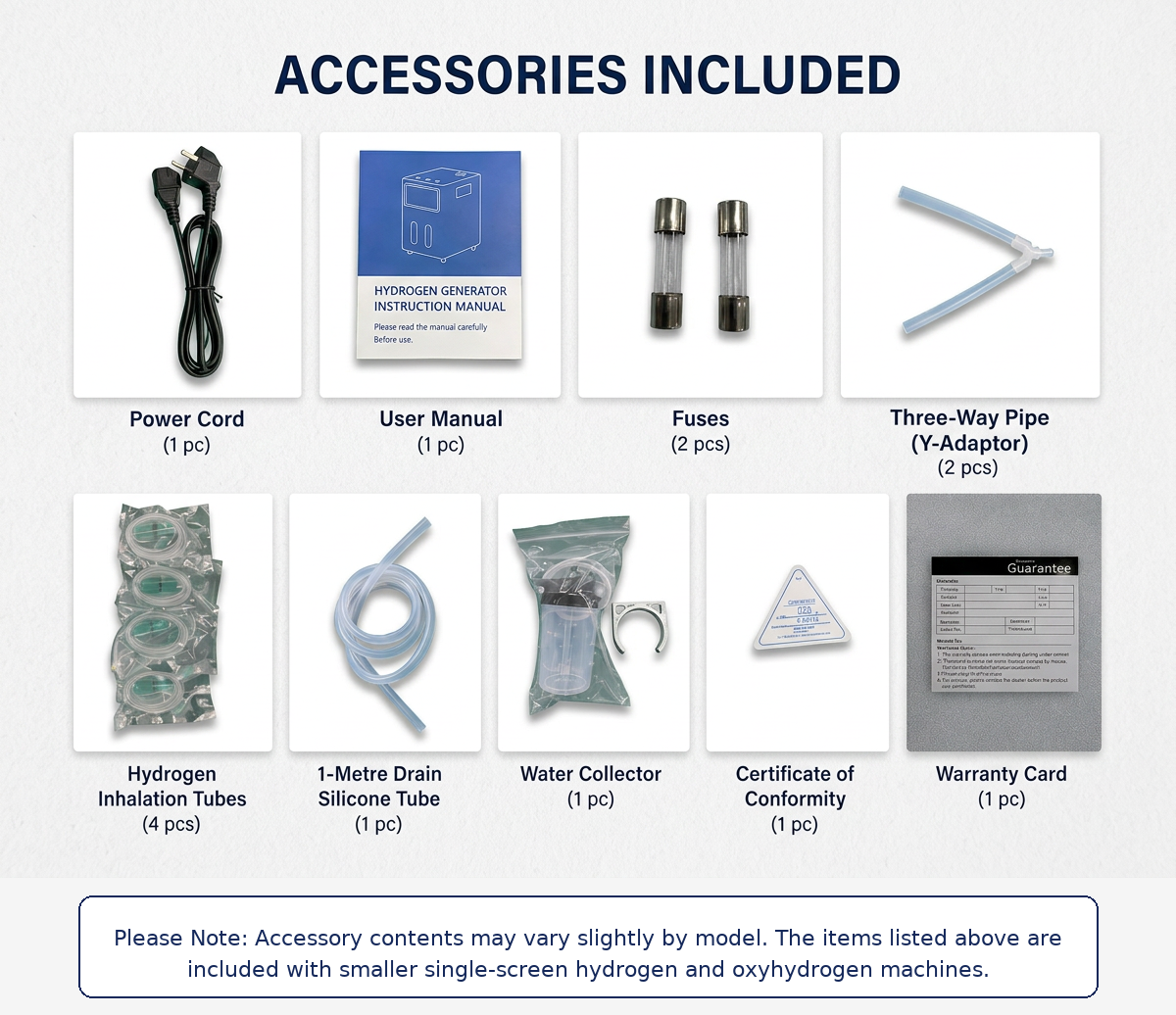
Included in the Box
Every inhaler ships complete and ready to use. Accessory contents may vary slightly by model.