Key takeaways
- Hydrogen water = drinking water containing dissolved H₂.
- Saturation at standard pressure and 25°C is around 1.6 ppm (1,600 ppb).
- Open containers lose H₂ within 1–2 hours; sealed insulated bottles hold it longer.
- Tablets, machines and PEM bottles each produce H₂ at very different concentrations and costs per litre.
How H₂ ends up in your glass
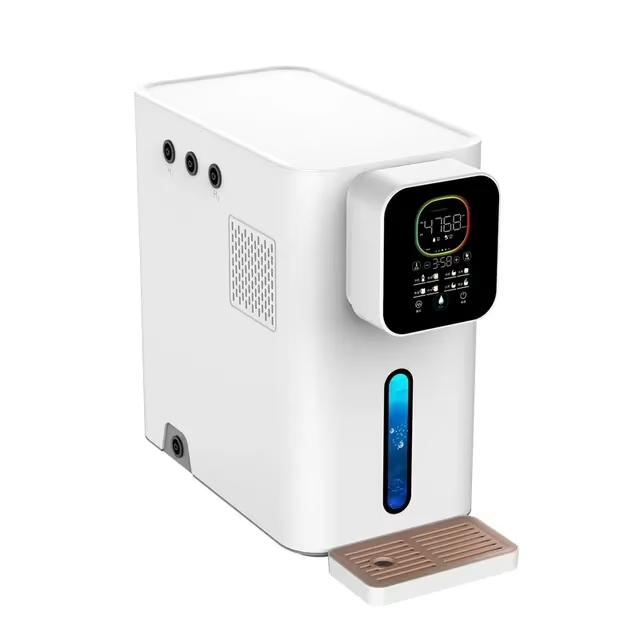
Three production methods dominate consumer use: magnesium tablets (chemical reaction), inline H₂ generators (PEM electrolysis), and standalone PEM bottles you fill and run for a few minutes.
All three add H₂ to water. The differences are concentration, repeatability, and cost per litre over time.
Reading concentration claims
Reputable claims state both the concentration (ppm or ppb) and the measurement method — typically a hydrogen-specific test reagent or a dissolved-H₂ meter.
Be sceptical of unqualified "high concentration" wording. Without numbers and method, the figure is unverifiable.
Frequently asked questions
Related products
Related learning
Purity, tablets & bathing
- Hydrogen Bathing vs Hydrogen Tablets — Saturation versus dilution, compared in full.
- Hydrogen Water Purity — model-specific gas composition from SPE/PEM electrolysis.
- Hydrogen Tablets: What You Should Know — What dissolving reactive material can leave behind.
Ready to choose a machine?
Direct prices · 2-Year Warranty on machines. Delivered to your door by UPS with full tracking, duties and GST paid. Nothing extra to pay on arrival. Up to 14 business days from order.
Source content adapted from guides/hydrogen-water.