
Hydrogen Systems for Practitioners
Professional hydrogen inhalation and bath systems designed for clinics, wellness practitioners, and high-intent users who require purity, reliability, and daily workflow consistency.
Short answer
Which hydrogen systems suit practitioners and clinics?
Practitioners typically run two formats: a higher flow-rate hydrogen inhalation console for seated 30–60 minute sessions, and a continuous-duty hydrogen bath system where the room is built around bathing. Both are general wellness devices selected on throughput, purity and daily reliability rather than any clinical indication.
- Inhalation consoles with two cannulas support back-to-back client sessions.
- Hydrogen bath systems suit recovery rooms and premium add-on services.
- model-specific gas composition, with RO feedwater protecting the membrane.
- Positioned to clients as relaxation and recovery programming, with no health claims.
Hydrogen Machines supplies consumer and professional hydrogen wellness devices. They are general wellness products, not medical devices, and are not intended to diagnose, treat, cure or prevent any disease. Consult a qualified health professional before starting any new wellness routine.

Why Practitioners Use Hydrogen Bathing
Practitioners need therapies that integrate cleanly into existing client workflows, support repeat visits, and operate reliably throughout the day. Hydrogen bathing — also referred to as hydrogen immersion — offers a non-invasive, low-touch modality that can be positioned as a premium add-on or core recovery service.
- A calm, premium session experience in professional and spa-style settings
- Complements manual therapy, movement, and stress-management protocols
- Provides a controllable, repeatable session experience for every client
- Requires minimal supervision once staff are trained
- Backed by model-specific gas composition output
What a HERO system could earn in your practice
Add a premium hydrogen session to your menu without adding a treatment room or extra staff. Adjust the numbers below to match your practice. Every assumption is shown, and nothing is hidden.
What you charge a client for one 30-minute hydrogen inhalation session.
Typical published prices for a 30-minute hydrogen session range from about A$45–70 in Australia and US$40–75 in the US. Set yours to match your market.
Average number of sessions you expect to book on a day you are open.
Days a month the system is available for bookings.
Single-use nasal cannula for each client session.
Power and a servicing allowance for the system, per month.
Your results
- Sessions per month
- 44
- Monthly session revenue
- A$2,156
- Monthly running costs
- A$138
- Monthly net contribution
- A$2,018
- Estimated payback period
- 4 months
- First-year result after paying for the system
- A$16,207
This calculator is a planning tool based on the assumptions you enter. It is not a forecast or a guarantee of income. Actual results depend on your pricing, client demand, local market and operating costs. HERO systems are general wellness devices, not medical devices; please check your local regulations and avoid making therapeutic claims to clients.
Worked example
At A$49 per session, 2 sessions a day and 22 days a month, a HERO Inhaler Pro 3000 would generate about A$2,156 a month, or A$2,018 after consumables and running costs, paying back its A$8,009 purchase price in about 4 months.
Uses the default assumptions above (A$49 per hydrogen inhalation session) and today's HERO Inhaler Pro 3000 price.
Prefer email? Use our contact form and mention "Practitioner enquiry: HERO Inhaler Pro 3000".
Workflow Integration for Daily Client Sessions
The HERO Bath system fits into standard appointment blocks without disrupting room turnover or practitioner schedules.
- Prepare the bath 3–5 minutes before the client arrives
- Run sessions within 20–40 minute treatment windows
- Reset quickly between bookings for back-to-back clients
- Pair with HERO Inhaler systems for a combined inhalation + bathing protocol
- Document session settings for consistent client records
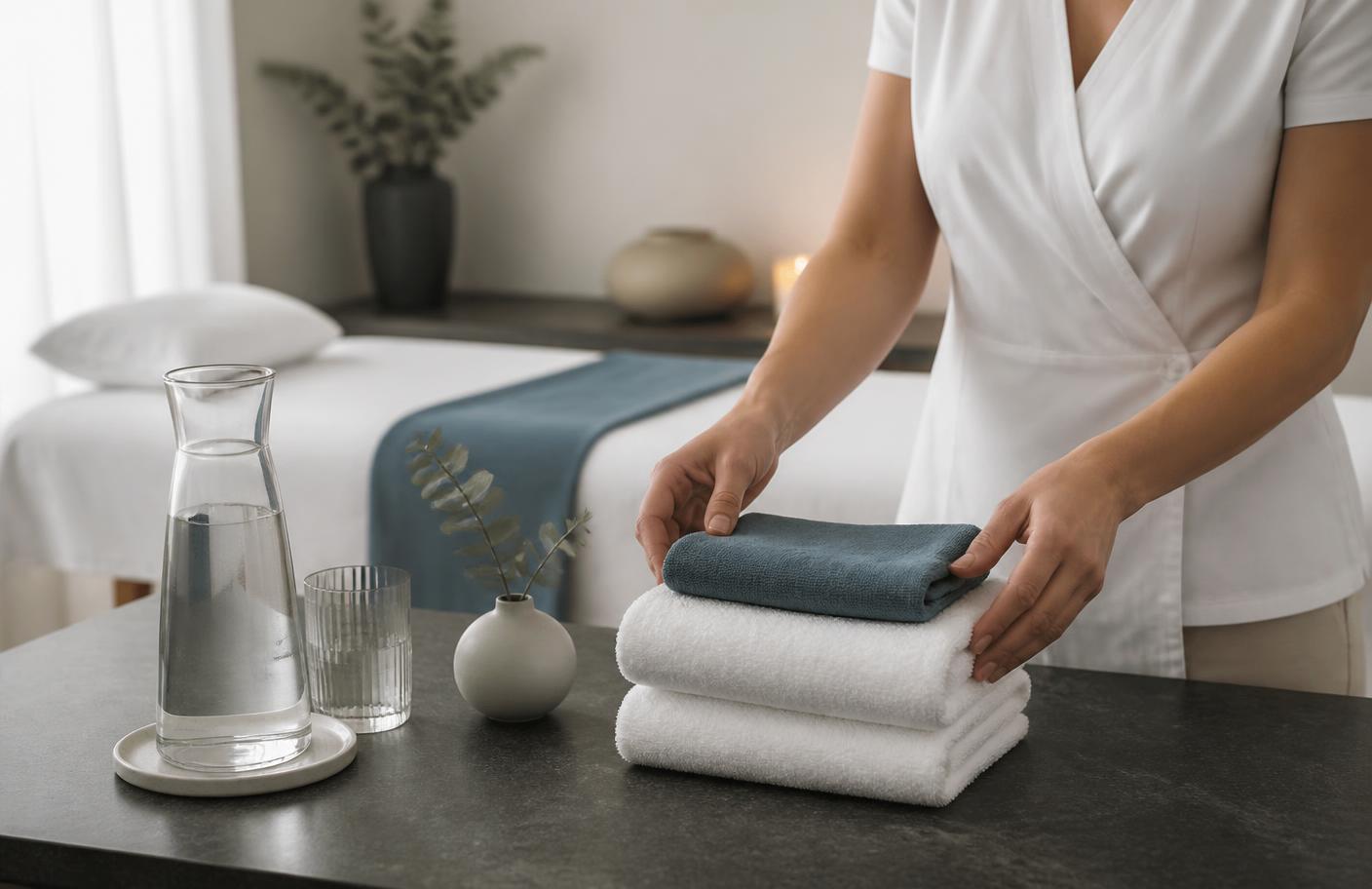
Installation Clarity
HERO Bath is built for professional treatment rooms. It does not require specialised plumbing or wet-room construction beyond a standard bath and access to RO-purified water.
- Freestanding or built-in bath compatibility
- Standard power outlet — no three-phase requirement
- Compact generator footprint for back-of-house or in-room placement
- RO-purified feedwater protects PEM/SPE membranes and stabilises output
- Installation guidance and operator training materials provided
Procurement Clarity
Practitioner procurement requires clear specifications, predictable operating costs, and supplier accountability. We provide transparent documentation and region-appropriate support.
- Clear unit pricing and optional bundle packages
- AU and USA electrical variants available
- RO system and feedwater requirements specified upfront
- Warranty, service, and consumables information provided
- Practitioner Bundle available with HERO Inhaler 1200 + HERO Bath
Vertical Benefits
- Differentiates practitioner service menu
- Supports premium session pricing
- Low labour intensity per client
- Repeatable, brand-consistent delivery
- Engineered for high-frequency daily use
- model-specific gas composition output
- RO compliance protects system longevity
- Suitable for clinics and wellness practices
Add Hydrogen Bathing to Your Practice
Explore the HERO Bath system specifications, pricing, and installation requirements for practitioner and clinical deployments.
Practitioner Education
Read the engineering and safety context behind professional hydrogen systems.
- Hydrogen Tablets Heavy-Metal Warning
Why reactive tablets carry contamination risk.
- Hydrogen Bath Tablets Don’t Work
Why electrolysis outperforms tablets in bath volumes.
- Hydrogen Water Purity / RO Requirements
Why reverse osmosis is the professional standard.
- Mixed-Gas (Oxyhydrogen) Inhalation Clarification
Why we only sell pure hydrogen inhalation systems.
Purity Compliance for Professional Reliability
- RO water prevents mineral fouling
- Protects PEM/SPE membranes
- Prevents contamination-driven output drift
- Ensures safe, repeatable client sessions
- Extends system lifespan
Practitioners rely on RO purity to maintain membrane integrity and ensure safe, repeatable client sessions.
Purity requirements in detail: Hydrogen water purity & RO requirements · HERO Purity 200-110 RO system
Practitioner systems and workflow routes
- Practitioner BundleRO purity paired with professional inhalation in one package.
- HERO Inhaler 1200800 ml/min pure H₂ — single-room practitioner workhorse.
- HERO Inhaler 15001,000 ml/min pure H₂ for busier rooms and dual-cannula use.
- HERO Bath>2,000 ppb dissolved H₂ for whole-body bath sessions.
- HERO RO Dual 10Inhalation and hydrogen water from a single machine.
Hydrogen Machines products are general wellness devices. Certifications describe the hardware and its manufacturing, not medical or therapeutic status. Nothing on this page is medical advice or a therapeutic claim.